
Your heart is beating right now. It sends blood through your body all the time. This incredible organ never stops operating. But what makes it so unique? The solution is heart muscle.
What Is Cardiac Muscle?
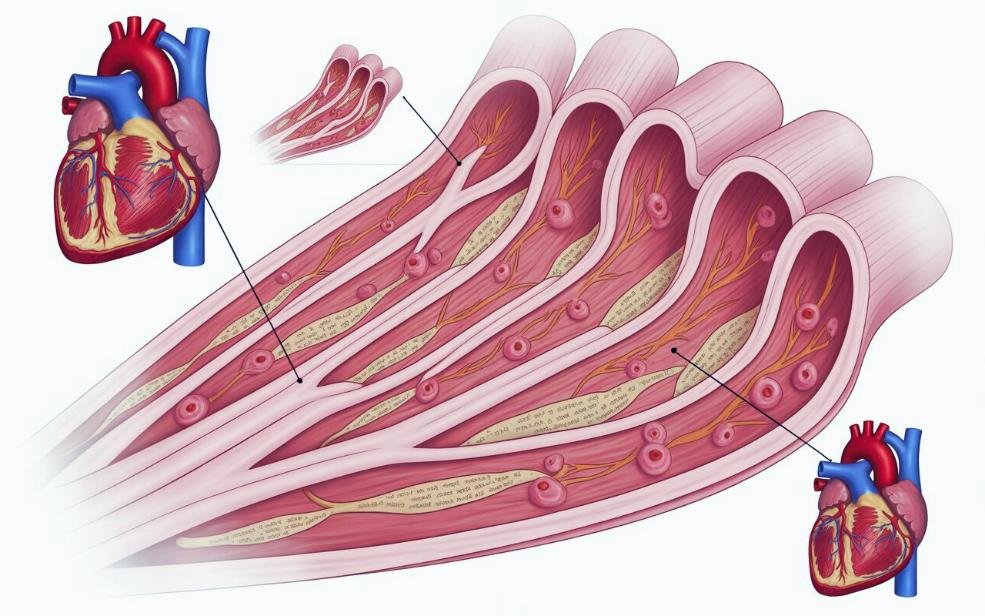
It’s distinct from other muscles in your body. This muscle operates all day and all night without becoming weary.
Your heart has three layers. The intermediate layer comprises heart muscle. This layer performs all the heavy work of pumping blood.
How Does Cardiac Muscle Work?
The way heart muscle operates is simply fascinating. Each cell links to other cells. They establish a network that functions together properly.
When one cell obtains a signal, it transmits it onward. The signal goes swiftly across the full network. This makes your heart beat as one unit.
Your heart muscle squeezes and relaxes in a beat. Squeeze, relax, squeeze, relax. This pattern pushes blood out and allows blood flow back in.
Blood distributes oxygen to every area of your body. Your brain needs it. Your legs need it. Even your toes require oxygen to operate right!
What Makes Cardiac Muscle Special?
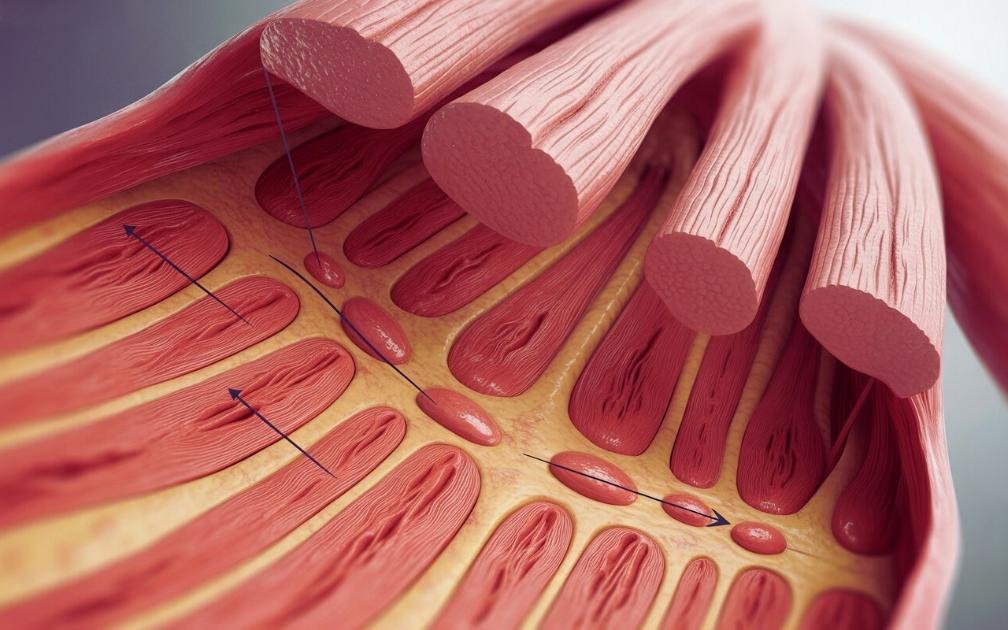
Several characteristics make cardiac muscle special. First, it never gets weary as your arm muscles do. Try lifting anything heavy for an hour. Your arms will give up. But your heart? It simply continues pounding.
Second, heart muscle has its own built-in timing. Special cells produce electrical impulses automatically. These impulses direct the muscle when to beat. You don’t have to think about it at all.
Third, this muscle can extend and bounce back. When blood enters your heart, the muscle expands. Then it snaps back to force the blood out. Pretty awesome, right?
Why Your Cardiac Muscle Needs Care?
Taking care of your heart muscle is incredibly crucial. A healthy heart ensures a healthy life. But what happens when things go wrong?
Heart illness may harm cardiac muscle. The muscle could grow weak or stiff. Sometimes it can’t pump blood well anymore.
High blood pressure makes your heart work harder. Over time, this increased effort might wear down heart muscle. The muscle could grow bulky and less flexible.
Heart attacks may destroy sections of cardiac muscle. When blood flow ceases, muscle cells die. Dead cells can’t assist pump blood anymore.
Simple Ways to Keep Your Cardiac Muscle Strong

Good news! You can assist your heart muscle remain healthy. Here are simple methods to accomplish it. Move Your Body
Exercise makes heart muscle stronger. Walking is nice. So is swimming, dancing, or playing sports. Try to move for 30 minutes most days.
Start small if you’re new to fitness. Even a brief stroll helps. Then gently do more as you grow stronger.
Eat Good Food
What you consume matters a lot. Fresh fruits and veggies are your buddies. Whole grains assist too. Fish offers your heart healthy fats.
Try to consume less junk stuff. Cut down on salt and sugar. Your heart muscle will appreciate you!
Stop Smoking
Smoking affects your heart muscle greatly. It destroys blood vessels and makes your heart work harder. Quitting smoking is one of the finest things you can do.
Manage Stress
Too much stress is terrible for your heart. Find methods to relax. Try deep breathing. Spend time with friends. Do activities you like.
Sleep also helps your heart muscle relax and repair. Aim for seven to eight hours each night.
Check Your Numbers
Know your blood pressure and cholesterol readings. High levels may harm heart muscle over time. Your doctor can help you maintain these values healthy.
Signs Your Cardiac Muscle Needs Help
Sometimes heart muscle transmits warning signals. Pay heed to these indicators.
Chest discomfort or pressure might signify danger. So may shortness of breath. Feeling dizzy or extremely exhausted could be a sign too.
Swelling in your legs or feet might suggest cardiac troubles. Fast or irregular heartbeats are worth looking out.
Never disregard these indications. Call your doctor immediately away. Getting aid immediately may preserve your heart muscle from damage.
Amazing Facts About Cardiac Muscle
Your heart muscle is very remarkable. It begins pounding before you’re even born. In reality, it starts about three weeks after conception.
The muscle beats around 2.5 billion times in a normal lifespan. That’s a lot of beats! Each beat pumps around two ounces of blood.
Your heart pumps nearly 2,000 liters of blood every single day. All that blood goes via 60,000 miles of blood arteries. Amazing!
Cardiac muscle cells can’t regenerate after harm. That’s why maintaining them healthy is so crucial. Once they’re gone, they’re gone forever.
The Future of Cardiac Muscle Health

Scientists are examining heart muscle all the time. They’re exploring for innovative techniques to mend broken hearts. Some research focuses on creating new muscle cells in laboratories.
Other research explore at techniques to assist heart muscle mend itself. New drugs could protect muscle cells from harm. Gene therapy might treat issues at the source.
Technology is helpful too. Better diagnostics may discover cardiac issues early. This means physicians can treat before major harm happens.
Conclusion
Your heart muscle is the engine that keeps you alive. It works hard every second of every day. This unique tissue demands your care and attention.
A healthy heart leads to a better life. You have the ability to safeguard your heart muscle. Start today. Your heart will beat stronger and longer because of the decisions you make right now.
Take action immediately. Your heart muscle relies on you!
FAQS
What exactly is cardiac muscle?
Cardiac muscle is the special tissue that makes your heart work. It’s found only in your heart. This muscle pumps blood through your entire body without ever stopping to rest.
How does a healthy cardiac muscle help my daily life?
A strong cardiac muscle gives you more energy throughout the day. It helps you think clearly and stay active. You can climb stairs, play with kids, and do activities without getting tired quickly.
Can cardiac muscle get stronger with exercise?
Yes! Just like your arm muscles, cardiac muscle gets stronger when you exercise. Walking, swimming, or biking makes it pump better. A stronger heart muscle means better health overall.
What happens when cardiac muscle becomes weak?
Weak cardiac muscle can’t pump blood well. You might feel tired all the time. Breathing becomes hard, even during simple tasks. Your legs and feet might swell up too.
How much exercise does cardiac muscle need?
Aim for 30 minutes of movement most days. You don’t need to run marathons. Walking counts! Dancing works too. Even gardening helps your cardiac muscle stay fit.